
Commercial Solar and Battery Rebates New South Wales
Two major government incentives changed in the last month. NSW opened commercial battery rebates on 1 September 2026, and the federal solar rebate is expanding from 100 kW to 1 MW. We design, install and lodge the paperwork for both.
- SAA Accredited Installers
- Ausgrid Network Area
- Rebate Value Modelled
Your Business May Now Be Eligible for Incentives That Didn't Exist Last Month
Now live: NSW commercial battery rebates (BESS4 & BESS5) commenced 1 September 2026. The federal solar rebate expands to 1 MW from an expected 1 October 2026.
Commercial energy incentives in NSW have historically been thin. Households got the rebates. Businesses got a certificate scheme that stopped dead at 100 kW, and no battery support at all.
That changed twice in four weeks. From 1 September 2026 the NSW Peak Demand Reduction Scheme covers commercial batteries for the first time, through two new activities called BESS4 and BESS5. From an expected 1 October 2026, the federal Small-scale Renewable Energy Scheme expands from 100 kW to 1 MW.
Commercial Solar and Battery Rebates Available to NSW Businesses
Eight programs currently apply to commercial solar, battery and electrification projects in New South Wales. Which ones apply to you depends on your system size, your site type and your timing.
| Incentive | Who it’s for | System range | Status |
|---|---|---|---|
| NSW PDRS — BESS4 | Small and medium business sites | Battery >20 kWh to 200 kWh usable | Live from 1 Sept 2026 |
| NSW PDRS — BESS5 | Commercial and industrial sites | Battery >200 kWh usable | Live from 1 Sept 2026 |
| Federal SRES (STCs) | Any business | Solar under 100 kW | Available now |
| Federal SRES expansion | Any business | Solar 100 kW to 1 MW | Expected 1 Oct 2026 |
| Cheaper Home Batteries Program | Small business, community orgs | Battery 5–100 kWh nominal | Available now |
| Large-scale Generation Certificates | Larger installs | Solar over 100 kW | Available now (ongoing) |
| NSW Energy Savings Scheme | Any business | Heat pumps, HVAC, lighting, refrigeration | Available now |
| Instant asset write-off | Turnover under $10M | Assets under $20,000 | Permanent from 1 July 2026 |
Rebate-Eligible Systems We Install
Every incentive on this page attaches to one of three technologies. We install all three, and we handle the certificate paperwork for each.
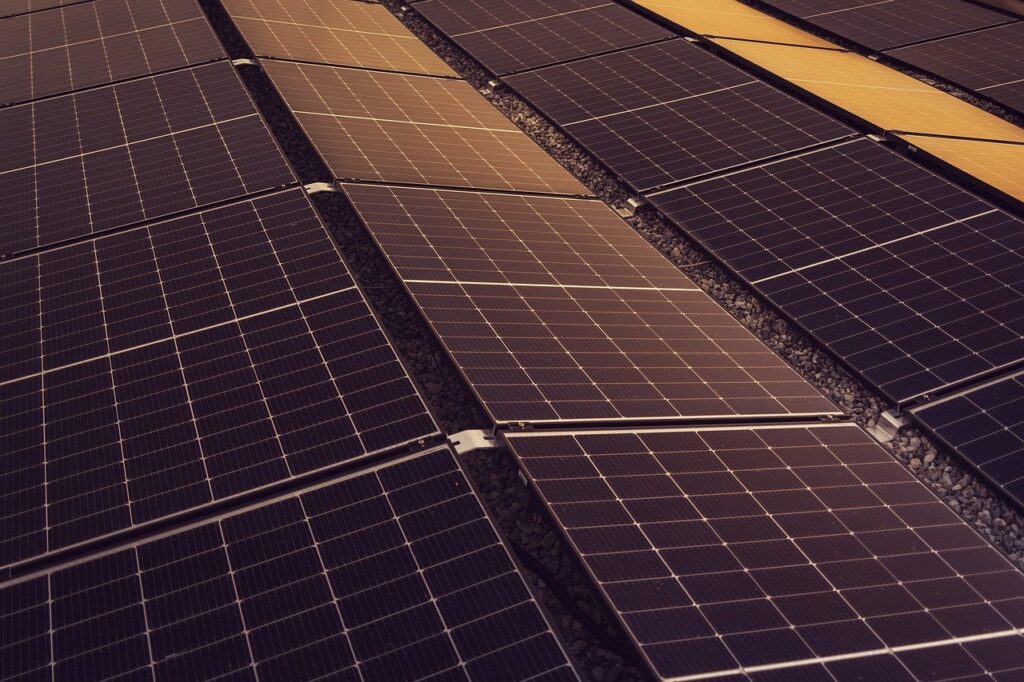
10 kW to 500 kW arrays earning upfront STCs — and, from October, systems up to 1 MW.
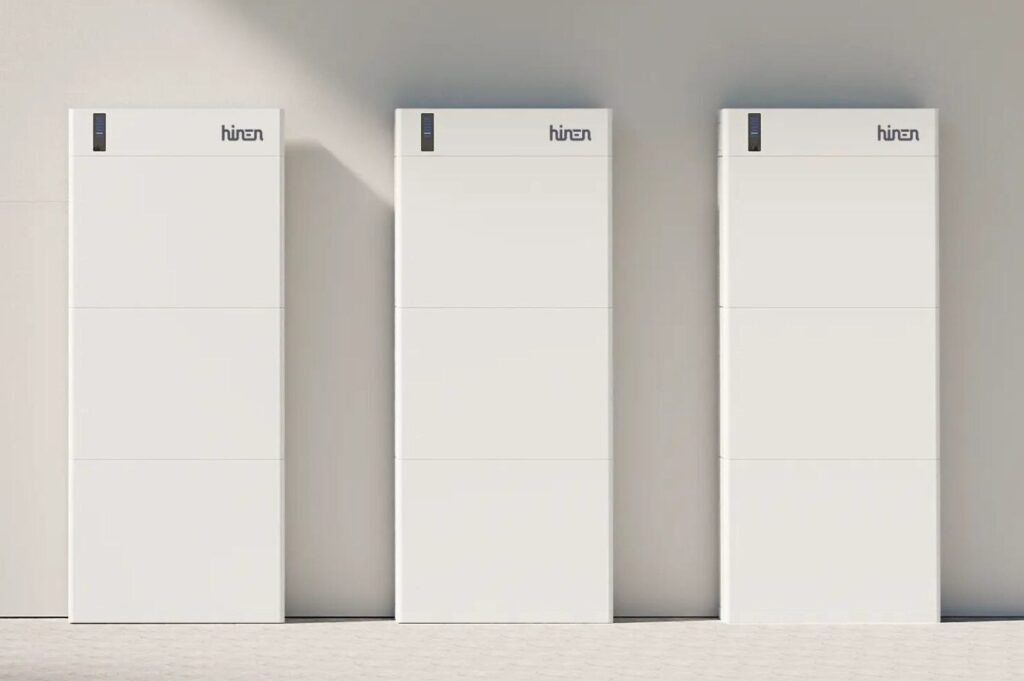
20 kWh to 30 MWh systems eligible for the new NSW BESS4 and BESS5 incentives.
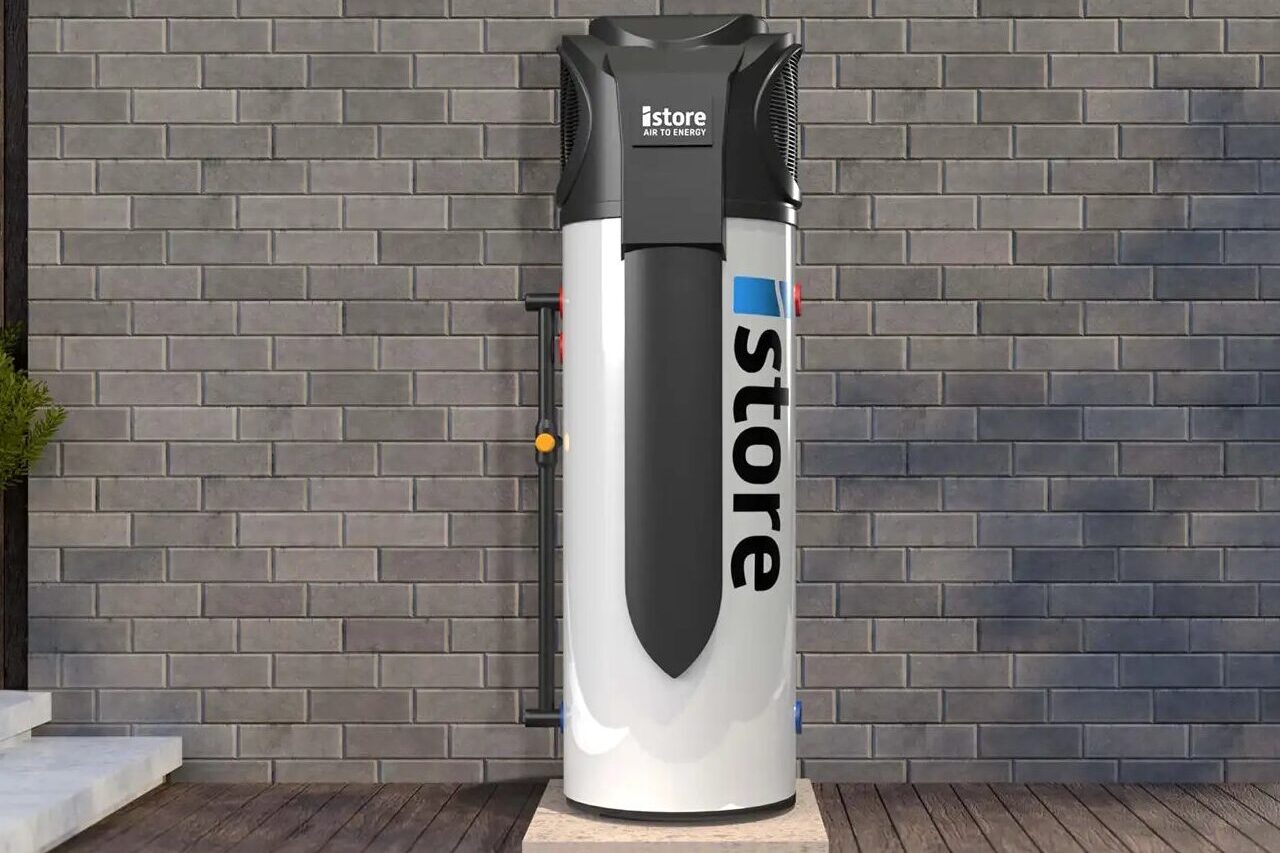
Commercial hot water and HVAC upgrades discounted under the NSW Energy Savings Scheme.
Primary NSW incentive
The NSW Commercial Battery Rebate: BESS4 and BESS5
The NSW Peak Demand Reduction Scheme has run since 2022, but it has never covered commercial-scale batteries. From 1 September 2026, it does.
The scheme rewards anything that reduces electricity demand during peak periods — typically hot summer afternoons and evenings, when the grid is under the most strain. It pays in Peak Reduction Certificates (PRCs). Your system creates a deemed number of certificates upfront, based on its technical design, and an Accredited Certificate Provider converts those into value that comes off your project cost. There is no application form to the government and no waiting for a cheque.
Sources: PDRS Rule and changes, NSW Energy Sustainability Schemes (scheme administrator), and the Energy Security Safeguard Rule Change 2026 Position Paper (NSW DCCEEW), which sets out the BESS4 and BESS5 activity design.
BESS4 — Small and medium business
Usable capacity: greater than 20 kWh, up to 200 kWh
Site type: non-residential. Data centres excluded.
Equipment: battery and inverter on the Clean Energy Council approved product list
Installer: accredited with Solar Accreditation Australia, installing to AS/NZS 5139
Duration: no more than 6 hours (usable capacity ≤ 6 × inverter output)
Solar: not mandatory, but a higher rate applies where new solar is installed
Stacking: can stack with the federal Cheaper Home Batteries Program up to 100 kWh
BESS5 — Commercial and industrial
Usable capacity: greater than 200 kWh
Certificate cap: capped at the first 10 MWh regardless of system size
Equipment: battery must pass the UL9540A fire-safety test standard
Duration: no more than 6 hours
Solar: same rule — higher rate where new solar is installed
Rules that apply to both activities
- Installation must occur on or after 1 September 2026. Work completed before that date does not qualify.
- Required planning approval must be in place.
- A site can only claim a BESS4 or BESS5 incentive once.
- Certificates are capped at 4 hours × your battery inverter capacity. Undersizing the inverter costs you incentive value.
- "Usable capacity" is calculated as 90% of nominal capacity — not the number on the datasheet cover.
How Much Is the NSW Commercial Battery Rebate Worth?
There is no flat rate. The scheme runs a defined formula, and the output is a certificate count multiplied by the market price of a PRC. As at August 2026 that price was around $3.00.
Certificates = Demand Shifting Component × 900 × Network Loss Factor
Calculation methodology published by NSW DCCEEW. Method detail and the current Rule are held by the scheme administrator.
The Demand Shifting Component depends on your battery capacity after caps, and on whether you're installing new solar alongside it. The Network Loss Factor depends on your distribution network — Newcastle and the Hunter sit in the Ausgrid network, factor 1.04. Endeavour Energy and Essential Energy sites use 1.05.
The solar coefficient is the single biggest lever
Installing new solar alongside the battery lifts the coefficient from 0.067 to 0.10 — roughly a 49% uplift in certificate value. To qualify, the new solar capacity must be at least a quarter of the usable battery capacity in kW, installed within 90 days.
On a 200 kWh battery, the difference between battery-only and battery-plus-solar is in the order of $18,000 in certificate value, before you count what the solar itself saves you or earns in STCs.
Worked example: 100 kW / 200 kWh battery with 100 kW new solar, Ausgrid network
| Step | Calculation | Result |
|---|---|---|
| Battery capacity after caps | MIN(200 kWh usable, 4 × 100 kW inverter) | 200 kWh |
| Minimum new solar for higher rate | 200 ÷ 4 | 50 kW — 100 kW installed, qualifies |
| Demand Shifting Component | 200 × 0.10 | 20 |
| Certificates | 20 × 900 × 1.04 | 18,720 PRCs |
| Indicative PDRS value at $3.00 | 18,720 × $3.00 | ≈ $56,160 |
The same battery without new solar drops the Demand Shifting Component to 13.4, producing roughly 12,542 certificates — about $37,600. A difference of close to $18,500 on one design decision.
Worked example: stacking on a smaller Newcastle site
A light-industrial site installs a 60 kWh nominal battery with a 30 kW battery inverter, plus 20 kW of new rooftop solar.
| Incentive stream | Indicative value |
|---|---|
| NSW PDRS (BESS4) — 2,602 PRCs at $3.00 | ≈ $7,800 |
| Federal Cheaper Home Batteries Program — tiered across first 50 kWh usable | ≈ $6,470 |
| Federal STCs on 20 kW of solar — 138 certificates | ≈ $5,200 |
| Combined indicative incentive | ≈ $19,500 |
The Commercial Solar Panel Rebate: How STCs Work for Business
The Small-scale Renewable Energy Scheme has discounted rooftop solar in Australia since 2011. It is the reason a solar quote already has thousands of dollars deducted before you see it.
Every eligible system creates Small-scale Technology Certificates (STCs) based on how much electricity it is expected to generate between installation and the scheme's legislated end at the close of 2030. Your installer claims those certificates and passes the value through as an upfront discount. You never handle a certificate.
STCs = system size (kW) × postcode zone rating × deeming years
Formula and inputs per the Clean Energy Regulator: calculating STC entitlements and postcode zone ratings.
For Newcastle and the Hunter, the zone rating is 1.382 (Zone 3). For systems installed during 2026, the deeming period is 5 years. That drops to 4 years on 1 January 2027, and by one more year every January after that.
Commercial solar rebate for a 40 kW system in Australia
A 40 kW system is one of the most common sizes for a Newcastle business — a workshop, a medical centre, a small manufacturer, or a hospitality venue with heavy daytime refrigeration load.
40 kW × 1.382 × 5 years = 276 STCs
At $38 to $40 per certificate, that is an upfront discount of roughly $10,500 to $11,000 off the installed cost.
Install the same system after 1 January 2027 and the deeming period drops to four years: 221 certificates, or roughly $8,400 to $8,840. Waiting until the new year costs about $2,100 on a 40 kW system.
Verify current deeming period and zone rating with the Clean Energy Regulator
Indicative STC value by system size, Newcastle (Zone 3)
| System size | STCs (2026) | Indicative value | STCs (2027) | Indicative value |
|---|---|---|---|---|
| 30 kW | 207 | $7,900 – $8,300 | 165 | $6,300 – $6,600 |
| 40 kW | 276 | $10,500 – $11,000 | 221 | $8,400 – $8,800 |
| 50 kW | 345 | $13,100 – $13,800 | 276 | $10,500 – $11,000 |
| 75 kW | 518 | $19,700 – $20,700 | 414 | $15,700 – $16,600 |
| 99 kW | 684 | $26,000 – $27,400 | 547 | $20,800 – $21,900 |
Announced 5 August 2026
The Federal Rebate Cap Is Lifting from 100 kW to 1 MW
Until now, the upfront STC discount stopped at 100 kW. Anything bigger fell into the Large-scale Renewable Energy Target, earning certificates gradually, year by year, as the system generated. For a business weighing up a 300 kW roof, that meant almost no upfront support and a slow trickle of income instead.
On 5 August 2026 the Minister for Climate Change and Energy announced the SRES will expand from 100 kW to 1 MW. The Australian Government's figure is that this cuts the cost of a medium-sized commercial system by around 20 per cent. Commencement is expected from 1 October 2026, subject to the regulations being finalised.
Source: "Putting more roofs to work" — media release, Minister for Climate Change and Energy, 5 August 2026. The scheme is administered by the Clean Energy Regulator. The enabling regulations were not yet finalised as at 31 August 2026.
| What it means practically | 250 kW system | 500 kW system |
|---|---|---|
| Indicative installed cost before incentives | $300,000 | $550,000 |
| Discount at around 20% | About $60,000 | About $110,000 |
| Indicative net cost | About $240,000 | About $440,000 |
Certificate value arrives on day one, off the invoice, instead of trickling in over a decade. Nothing changes for systems under 100 kW — they already receive STCs.
Should you wait until October?
No, and here's the honest reason. A 100 kW to 1 MW project takes months of energy modelling, design, Ausgrid connection approval and procurement. Connection approval is very often the critical path, not the panels.
Starting now means you're ready to commission when the scheme opens. Starting in October means you're likely commissioning in the new year, when the deeming period has already stepped down and you've lost a year of certificate value.
What we will not do is tell you a rebate is confirmed before the regulations are made. As at 31 August 2026, the expansion is announced, not yet legislated. We'll tell you exactly where it stands when we quote you.
Additional Programs Your Business May Be Able to Use
Beyond the two headline schemes, several other programs commonly apply to commercial energy projects in NSW.
Cheaper Home Batteries Program
Despite the name, this federal program covers businesses and community organisations, not just households. Roughly 30% off eligible battery systems between 5 kWh and 100 kWh nominal capacity, delivered as an upfront STC discount. Certificates are paid on the first 50 kWh of usable capacity.
Stacking with the NSW battery rebate
For BESS4 systems up to 100 kWh, the federal battery discount and the NSW PDRS incentive stack on the same install. You should see them as two separate line items on your quote. Above 100 kWh nominal capacity, the federal program no longer applies and the NSW incentive stands alone.
Large-scale Generation Certificates
Systems above 100 kW currently create LGCs, earned annually as the system generates, rather than as an upfront lump sum. This requires ongoing registration and administration. Once the SRES expansion commences, systems from 100 kW to 1 MW will have the upfront STC route available instead.
NSW Energy Savings Scheme
Separate from the battery scheme but under the same Energy Security Safeguard, the ESS discounts energy-efficiency upgrades for business — commercial heat pump hot water, efficient reverse-cycle HVAC, LED lighting and refrigeration. Relevant if you're electrifying gas hot water or replacing end-of-life.
Instant asset write-off
The $20,000 instant asset write-off became permanent from 1 July 2026 for businesses with aggregated turnover under $10 million. Worth being straight about: most commercial solar systems cost well above $20,000, so the write-off rarely applies to the array itself. Standard depreciation rules apply instead.
Commercial finance
We work with commercial finance providers offering chattel mortgage, operating lease and asset finance. Structured well against the incentive value, many businesses see positive cash flow from day one. Note that under a finance lease the financier owns the asset, which affects how deductions work.
Why Newcastle Businesses Use Renewable Industries for Rebate-Eligible Projects
Certificate schemes reward good design and punish bad paperwork. Both are our job, not yours.
We model the incentive, we don't quote a headline number
Certificate schemes don't pay fixed amounts. Anyone quoting you a guaranteed rebate figure before assessing your site is guessing. We calculate your actual entitlement from your battery specification, inverter sizing, network area and current certificate prices.
Accredited installers, approved equipment
Two separate requirements, often confused. Installer accreditation sits with Solar Accreditation Australia — it took over from the Clean Energy Council in 2024, and an SAA accreditation number is what makes an install STC-eligible. Battery work needs the Grid Connected Battery Systems class specifically.
We design around the incentive rules, not against them
The 4-hour inverter cap, the 6-hour battery duration limit, the 1:4 solar ratio, the 90-day window — these determine how much incentive your project creates. Getting them wrong after the fact is expensive.
Ausgrid network specialists
We're based in Carrington, in the middle of Newcastle's industrial heartland. We know Ausgrid's connection requirements and approval timelines, and we know that for anything above 100 kW the network approval is usually the critical path, not the hardware.
Honest ROI analysis
We model your actual energy consumption, tariff structure, demand charges and export opportunity before recommending a system. We tell you the real payback period, not an optimistic one.
We handle the certificate paperwork
STC assignment, PRC creation through an Accredited Certificate Provider, CEC product-list compliance, Ausgrid connection applications. You sign a net price. We do the rest.
How We Get Your Business Through the Rebate Process
Four stages, from your electricity bill to certificates on your invoice.
Energy assessment
We pull 12 months of interval data from your retailer and look at your actual daytime load, demand charges and tariff structure. Systems sized to the roof rather than to consumption are the most common expensive mistake in commercial solar.
Incentive modelling and design
We model which programs your site qualifies for and design the system to maximise entitlement — inverter sizing against the 4-hour cap, solar-to-battery ratio against the 1:4 rule, install sequencing against the 90-day window.
Approvals and installation
DA where required, Ausgrid connection application, CEC-listed equipment, SAA-accredited install to AS/NZS 5139. Projects are managed around your operating hours to minimise disruption.
Certificates and monitoring
STCs assigned and claimed, PRCs created through an Accredited Certificate Provider, all value applied to your invoice. Then ongoing monitoring so we can confirm the system is delivering what we modelled.
Is Your Business Likely to Qualify?
NSW commercial battery rebate
- Your site is in NSW and is not a residential building or a data centre
- You’re installing a battery with more than 20 kWh of usable capacity
- Installation will occur on or after 1 September 2026
- The site hasn’t previously claimed a BESS4 or BESS5 incentive
- Your battery and inverter are on the Clean Energy Council approved product list
- Battery duration is 6 hours or less
- Any required planning approval is in place
Federal commercial solar rebate
- You’re installing a solar system under 100 kW — or 100 kW to 1 MW, once the SRES expansion commences
- Installation is by an SAA-accredited installer
- Panels and inverters are on the Clean Energy Council approved product lists
Not sure? Send us your last electricity bill and your site address. We’ll tell you what applies within two business days.
Rebate-Eligible Commercial Installs Across Newcastle and the Hunter
Renewable Industries provides commercial solar and battery installation across the full Newcastle and Hunter region. Our team is based in Carrington, giving us fast access to all of the following commercial and industrial precincts — all within the Ausgrid network area.
Sites in the Endeavour Energy and Essential Energy network areas use a slightly different network loss factor (1.05 rather than 1.04), which marginally increases PDRS certificate value. We’ll apply the correct factor for your site.
Here From Our Customers
Our customers say it best. From solar and battery systems to energy-efficient heat pump installations, we’re proud to deliver results that make a real difference.

Friendly and knowledgeable people who are keen to help. Very happy with their product and installation process. Even after the installation their support is always readily available.
Very happy with our new solar battery. John Cherri was very professional and has been very helpful with my follow up enquiries.
My experience with R.I.A is 100% positive. From the moment Kait and John first spoke to me of the advantage and savings of having a battery installed to the install of battery and on going support.
Very satisfied with the whole process. Great people to deal with.
It’s refreshing to find a company that prioritises "doing it once and doing it right" over just making a quick sale & disappearring. These guys monitor, follow up & tweak; whereas others install & disappear. Highly recommend. Thank you very much Rob & Rosie.
Frequently Asked Questions: NSW Commercial Solar and Battery Rebates
When did the NSW commercial battery rebate start?
The BESS4 and BESS5 activities under the NSW Peak Demand Reduction Scheme commenced on 1 September 2026. Installations must occur on or after that date to be eligible. Eligibility is assessed against the PDRS Rule in force at the time of installation, not at the time of quoting.
How much is the NSW commercial battery rebate worth?
There’s no fixed amount. The scheme creates Peak Reduction Certificates based on your system’s design, and the value depends on the certificate price at the time. Industry estimates put it at roughly 20% to 50% off the installed cost of an eligible commercial battery. A 200 kWh battery installed with new solar in the Ausgrid network could create around 18,700 certificates — approximately $56,000 at a $3.00 certificate price. Your figure will differ.
Do I need to install solar to get the commercial battery rebate?
No. Battery-only installations are eligible. However, a materially higher rate applies where new solar is installed alongside the battery — the coefficient rises from 0.067 to 0.10. To qualify for the higher rate, the new solar capacity must be at least a quarter of the usable battery capacity, and must be installed within 90 days.
Can I claim the NSW battery rebate and the federal battery rebate together?
Yes, on eligible systems. BESS4 incentives can be stacked with the federal Cheaper Home Batteries Program on systems up to 100 kWh. Above that, the federal program no longer applies and the NSW incentive stands alone.
What is the commercial solar rebate for a 40 kW system in Australia?
A 40 kW system installed in Newcastle during 2026 creates approximately 276 STCs — around $10,500 to $11,000 at current certificate prices, applied as an upfront discount. The figure depends on your postcode zone rating, the deeming period in the year you install, and the market price of certificates. Installing after 1 January 2027 drops the deeming period from five years to four, reducing the discount by roughly $2,100 on a system that size.
Is the commercial solar rebate really expanding to 1 MW?
The expansion of the Small-scale Renewable Energy Scheme from 100 kW to 1 MW was announced by the Australian Government on 5 August 2026, with commencement expected from 1 October 2026, subject to the regulations being finalised. The government’s figure is a cost reduction of around 20 per cent on a medium-sized system. As at 31 August 2026 the regulations are still being made, so we’d describe it as announced rather than locked in.
Should I wait for the SRES expansion before starting my project?
For a system between 100 kW and 1 MW, no. Design, energy modelling and Ausgrid connection approval typically take months, and network approval is usually the longest step. Starting now positions you to commission once the scheme opens rather than waiting into the new year, when the deeming period steps down again.
Do rebates apply to commercial batteries above 200 kWh?
Yes, through BESS5. It covers commercial, industrial and community batteries above 200 kWh of usable capacity, requires the battery to pass the UL9540A fire-safety standard, and caps certificate creation at the first 10 MWh regardless of system size.
Are there rebates for commercial heat pumps and HVAC?
Yes, through the NSW Energy Savings Scheme. It covers energy-efficiency upgrades for business including commercial heat pump hot water, efficient reverse-cycle HVAC, LED lighting and refrigeration. It’s delivered as an upfront discount through an accredited provider and requires a minimum customer contribution.
Can I claim the instant asset write-off on commercial solar?
The $20,000 instant asset write-off became permanent from 1 July 2026 for businesses with aggregated turnover under $10 million, but most commercial solar systems cost well above $20,000, so it usually doesn’t apply to the array itself. Standard depreciation rules generally apply instead. We’re installers, not tax advisers — check with your accountant.
Do you handle the rebate paperwork?
Yes. We assign and claim STCs, arrange PRC creation through an Accredited Certificate Provider, verify CEC product-list compliance, and lodge Ausgrid connection applications. You sign a net price with the incentive value already deducted.
Sources and further reading
Every figure on this page traces to one of the following. Where a value moves with the market — certificate prices in particular — we say so rather than presenting it as fixed.
NSW commercial battery rebate (BESS4 / BESS5)
- Peak Demand Reduction Scheme — NSW Energy Sustainability Schemes (scheme administrator)
- PDRS Rule and changes — current Rule, activity commencement dates
- Energy Security Safeguard Rule Change 2026 Position Paper (PDF) — NSW DCCEEW; BESS4 and BESS5 activity design, eligibility and incentive levels
- Energy Savings Scheme — NSW Climate and Energy Action
Federal solar and battery incentives
- “Putting more roofs to work” — Minister for Climate Change and Energy, 5 August 2026; SRES expansion to 1 MW
- Calculate STC entitlements — Clean Energy Regulator
- Postcode zone ratings for solar panel systems — Clean Energy Regulator
- Cheaper Home Batteries Program — DCCEEW
- Cheaper Home Batteries eligibility information — DCCEEW
Accreditation, equipment and compliance
- About accreditation — Solar Accreditation Australia; accreditation classes including Grid Connected Battery Systems
- Rooftop solar installers and designers — Clean Energy Regulator
- Solar battery installers and designers — Clean Energy Regulator
- Approved products program — Clean Energy Council
- Approved batteries list — Clean Energy Council
- Installer accreditation transition to SAA — Clean Energy Council
Tax treatment
- $20,000 instant asset write-off — Australian Taxation Office
- Instant asset write-off for 2025–26 — Australian Taxation Office